The Buyer's Journey: Mapping Funnels to Stages of Awareness
As a funnel strategist, I've noticed that the most common mistake businesses make isn't choosing the wrong platform or having ugly landing pages - it's failing to match their funnel to where their prospects actually are in their buyer's journey.
You might have the most beautifully designed funnel in the world, but if you're pitching a high-ticket coaching program to someone who doesn't even know they have a problem yet, you're wasting both your time and money.
In this guide, I'll show you how to map your funnel elements to each stage of buyer awareness, so you can meet your prospects exactly where they are - and guide them smoothly to where you want them to be.
Large Call to Action Headline
Before we dive into funnel mapping, let's understand the classic five stages of buyer awareness first developed by legendary copywriter Eugene Schwartz in his groundbreaking book "Breakthrough Advertising":
Unaware: Prospect doesn't know they have a problem
Problem Aware: Prospect knows they have a problem but doesn't know solutions exist
Solution Aware: Prospect knows solutions exist but doesn't know about your solution
Product Aware: Prospect knows about your solution but isn't convinced it's right for them
Most Aware: Prospect knows your solution and just needs purchase details
A successful funnel doesn't try to force people from stage 1 to stage 5 in one giant leap—it methodically moves them through each stage with tailored content and appropriate offers. As Russell Brunson, founder of ClickFunnels, explains in his "Value Ladder" concept, you need to provide increasing value at each step of the customer journey.
Mapping Funnel Elements to Awareness Stages
Let's break down how to match your funnel elements to each stage:
Stage 1: Unaware Prospects
Your goal: Create awareness of a problem they didn't realize they had
Funnel elements that work best:
Educational blog posts about broader topics in your industry
Entertaining social media content that subtly introduces pain points
Free workshops that reveal common challenges
Diagnostic quizzes that uncover hidden problems
Example: If you're a LinkedIn lead generation coach, your content might focus on general business growth challenges rather than immediately pitching LinkedIn strategies.
What to avoid: Sales pitches, technical jargon, or solution-specific content
Stage 2: Problem-Aware Prospects
Your goal: Help them understand their problem better and hint at possible solutions
Funnel elements that work best:
Problem-focused lead magnets (checklists, guides, assessments)
Webinars that deep-dive into specific challenges
Case studies highlighting the cost of not solving the problem
Email sequences that validate their pain points
Example: Your lead magnet could be "10 Warning Signs Your Sales Approach Is Leaving Money on the Table" which helps them understand their problem more clearly.
What to avoid: Jumping straight to your specific product features
Stage 3: Solution-Aware Prospects
Your goal: Position your approach as the superior solution
Funnel elements that work best:
Solution comparison guides
Method-specific trainings or workshops
Behind-the-scenes content showing your approach
Testimonials focused on your unique methodology
Example: A webinar on "Why Most LinkedIn Strategies Fail (And What Works Instead)" that positions your method against alternatives.
What to avoid: Assuming they're ready to buy—they're still evaluating approaches
Stage 4: Product-Aware Prospects
Your goal: Prove your specific solution is the best fit for them
Funnel elements that work best:
Free trials or samples
Product demos or walk-throughs
Case studies specific to your solution
FAQ content addressing common objections
Discovery calls or consultations
Example: Offering a "Funnel Audit" call where you review their current strategy and show how your approach would improve results.
What to avoid: Generic benefits—focus on specifics that differentiate you
Stage 5: Most-Aware Prospects
Your goal: Make purchasing easy and reinforce their decision
Funnel elements that work best:
Limited-time offers
Clear, simple pricing pages
Easy application processes
Onboarding previews
Risk-reversal guarantees
Example: A straightforward sales page with clear pricing, package options, and a satisfaction guarantee.
What to avoid: Introducing new information or complicated processes
Building a Multi-Awareness Funnel
The most effective funnels don't just target one awareness level—they create pathways for people at different stages.
Here's a simplified example of a complete funnel that addresses all awareness stages:
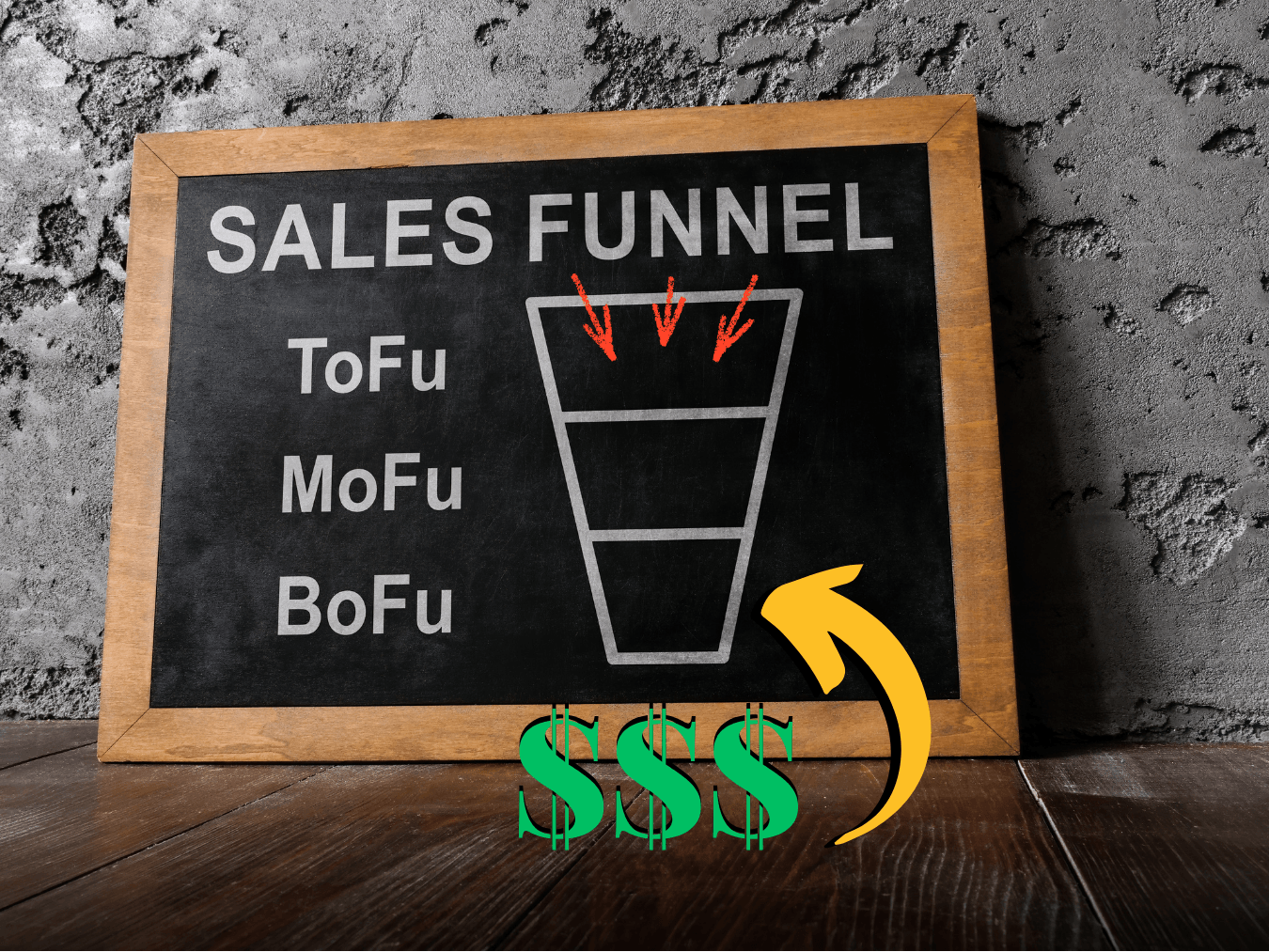
1. Top of Funnel (Unaware/Problem Aware)
Educational blog content
Value-focused social media posts
Broad-appeal lead magnets
Problem-identifying quizzes
2. Middle of Funnel (Solution Aware/Product Aware)
Email nurture sequence
Webinar or workshop
Case studies
Testimonials
Free consultation or audit
3. Bottom of Funnel (Most Aware)
Sales page
Application form
Payment processing
Onboarding
The key is creating smooth transitions between these stages. Each piece of content should naturally lead to the next logical step based on the awareness level your prospect has reached. Ryan Deiss of Digital Marketer calls this the "Customer Value Journey"—a systematic approach to moving prospects from awareness to advocacy.
Common Funnel-Awareness Mismatches (And How to Fix Them)
Here are the most common misalignments I see in my client funnels:
Mismatch #1: Selling to the Unaware
The problem: Targeting cold traffic with sales offers for solutions they don't even know they need.
The fix: Create top-of-funnel content that focuses on broader pain points and slowly educates before pitching.
Mismatch #2: Educating the Most Aware
The problem: Sending basic educational content to hot leads who are ready to buy.
The fix: Create segmentation in your funnel to identify high-awareness prospects and fast-track them to sales conversations.
Mismatch #3: One Message for All Audiences
The problem: Using the same language and offers regardless of awareness level.
The fix: Tailor your messaging to match each stage, gradually increasing solution-specific language as awareness grows.
Measuring Awareness in Your Audience
Here are the most common misalignments I see in my client funnels:
Survey your email list with multiple-choice questions about their familiarity with your solution
Monitor engagement metrics on different types of content
Track which lead magnets perform best (problem-focused vs. solution-focused)
Ask discovery questions in consultation calls
Test different ad angles targeting various awareness levels
Your Funnel Awareness Action Plan
To start aligning your funnel with your prospect's awareness stages:
Audit your current funnel content and identify which awareness stages you're currently targeting
Identify gaps where you're missing content for specific awareness stages
Create transitional content that bridges the gaps between awareness stages
Develop appropriate offers for each awareness level
TImplement proper tracking to see how prospects move through awareness stages
Final Thoughts: The Evolving Awareness Journey
Remember that awareness isn't static—the market's familiarity with problems and solutions evolves over time. What was once a novel solution can become common knowledge.
This is why the most successful funnel strategists regularly revisit their awareness mapping to ensure their funnels remain aligned with where their audience actually is, not where they were a year ago.
By thoughtfully mapping your funnel elements to your prospect's awareness stage, you create a customer journey that feels natural, helpful, and perfectly timed—dramatically increasing your conversion rates while building trust along the way.
Ready to Align Your Funnel with Your Customer's Awareness Journey?
Stop wasting money on funnel elements that don't match where your prospects actually are in their awareness journey.
In this 30-minute consultation, I'll help you:
Identify which awareness stages you're currently targeting effectively
Discover critical gaps in your funnel that are causing prospects to drop off
Create a customized plan to align your funnel with all five awareness stages
Recommend specific content and offers for each stage of your buyer's journey
Limited spots available each week. Reserve yours now!

Disclosure: This post may contain affiliate links. If you make a purchase through my links, I may earn a commission at no extra cost to you. I am an affiliate of Systeme.io, a platform I personally use and recommend. Thank you for supporting my blog!
Actionable insights, design tips, and smart strategies to build high-converting funnels that grow your business with ease and integrity
Get practical funnel strategies and marketing tips delivered straight to your inbox—designed to grow your business with ease and alignment.
© Funnel Boost 2025